EU research and policy stakeholders join forces to strengthen climate preparedness through polar science
28 November 2025
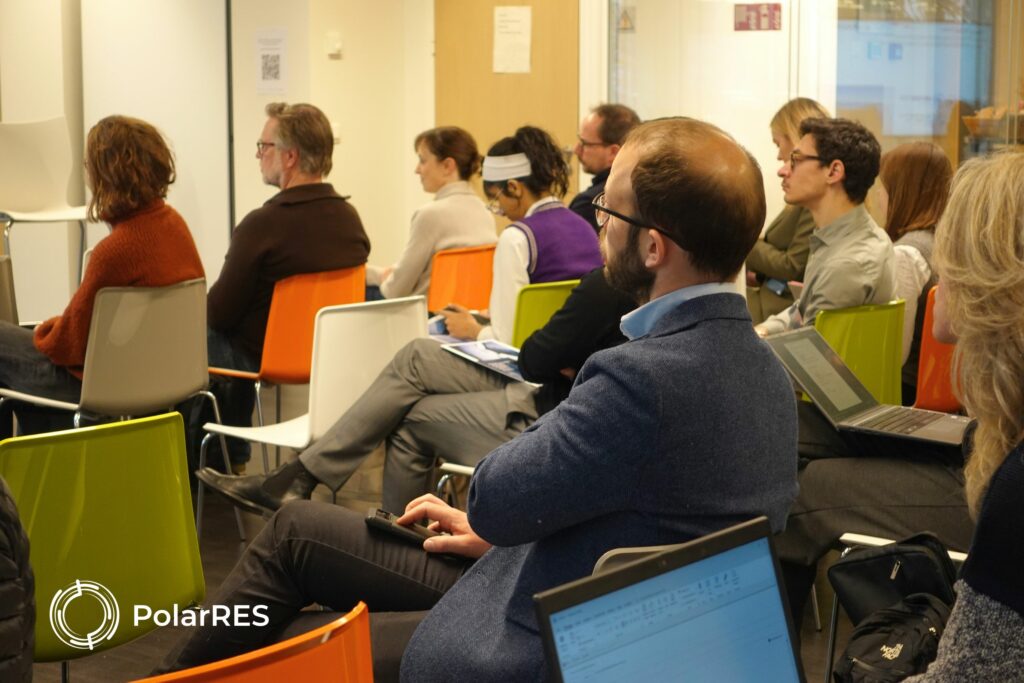
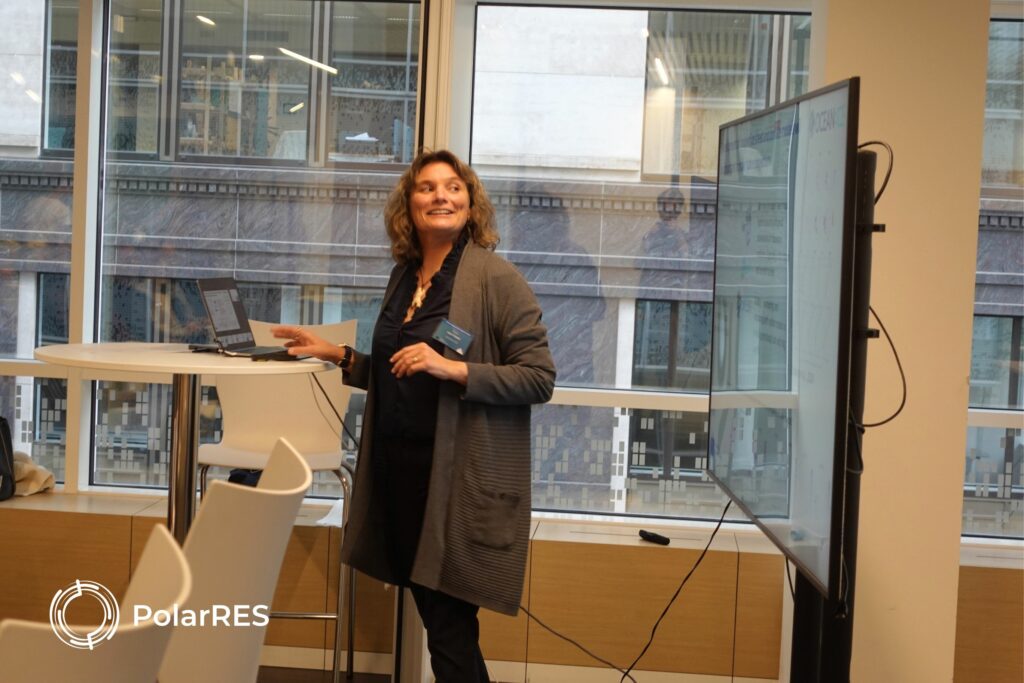
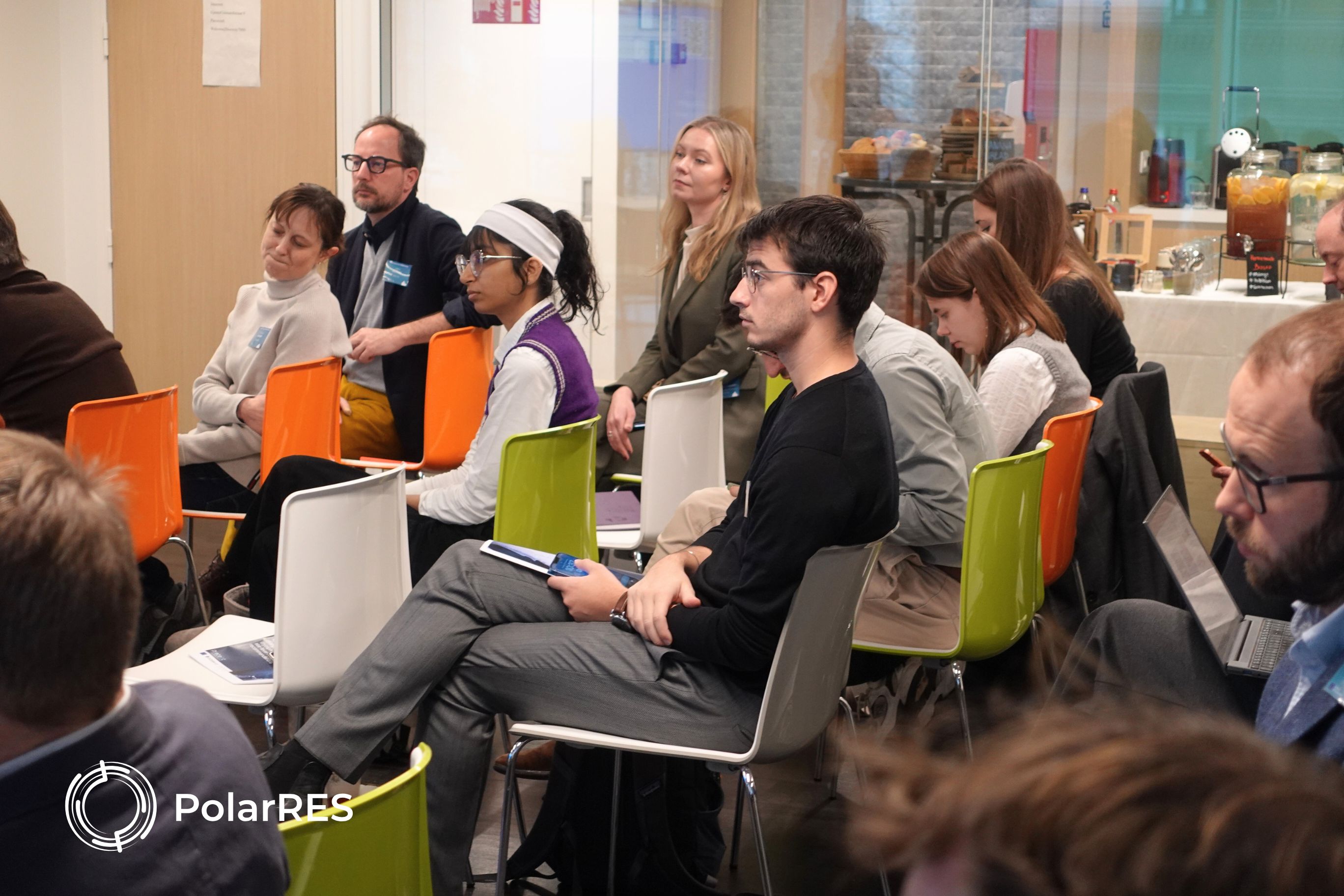
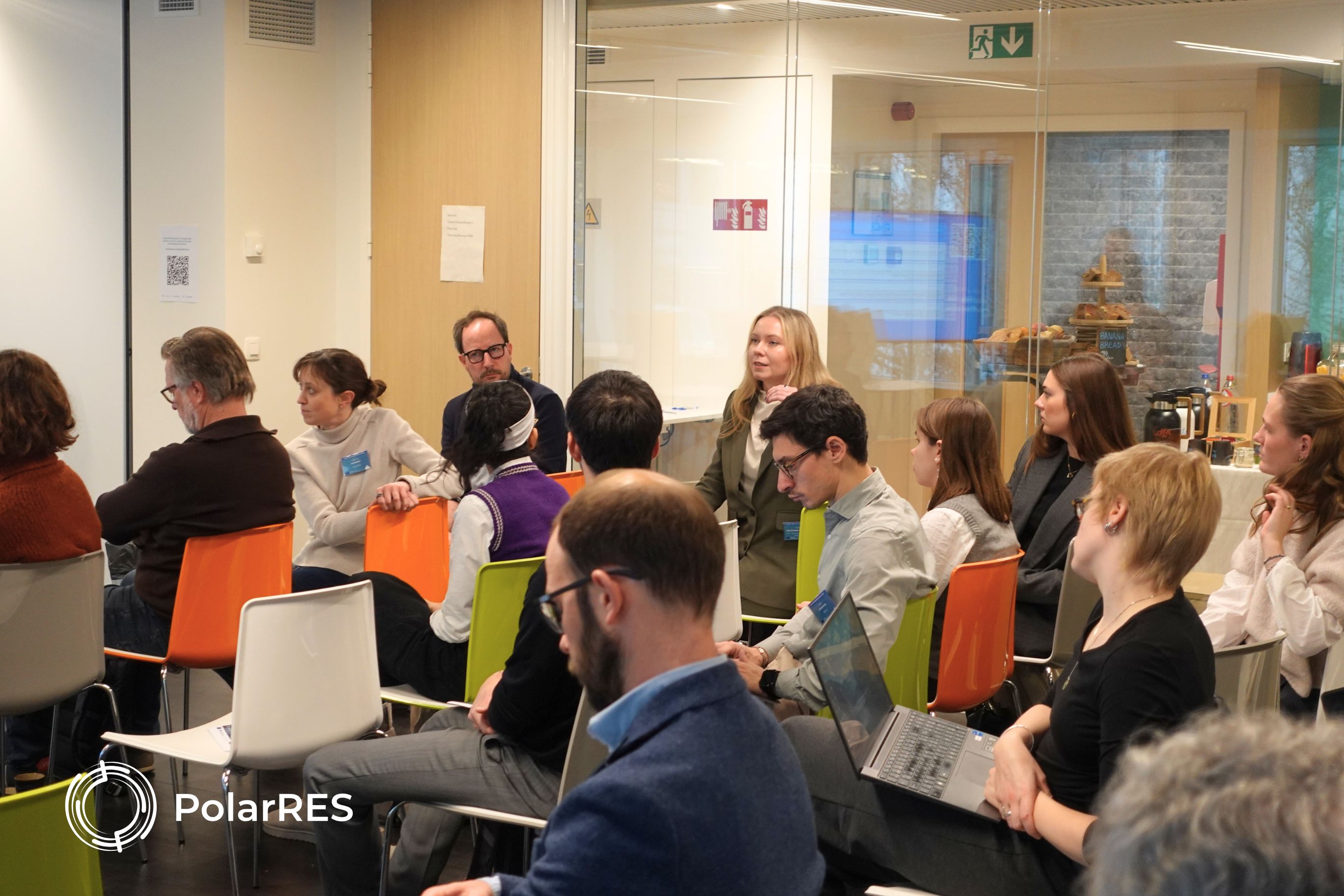
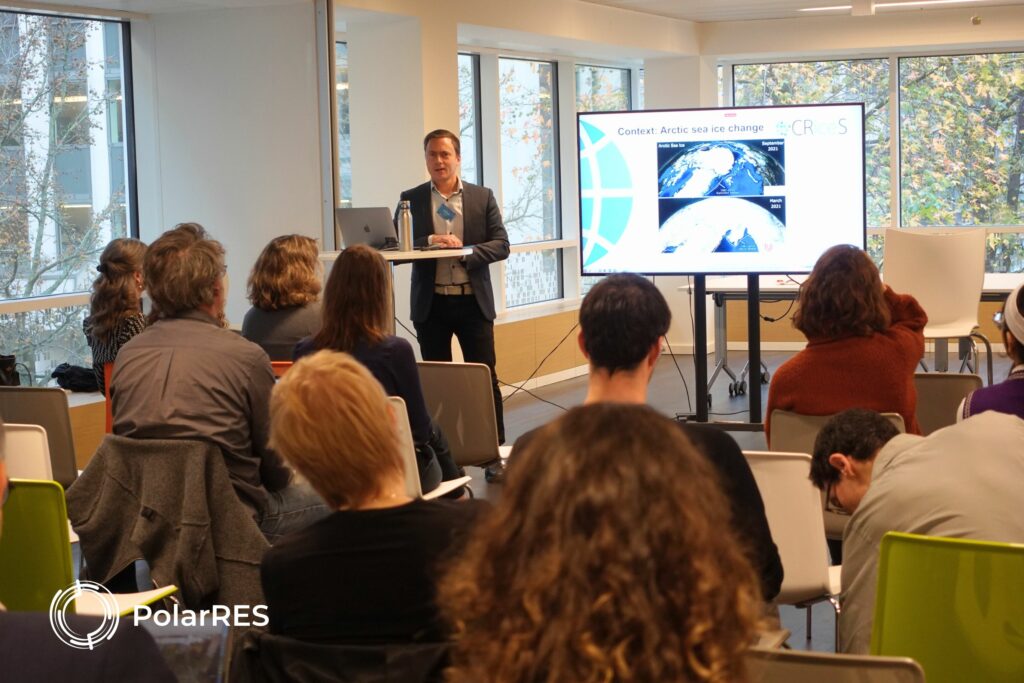
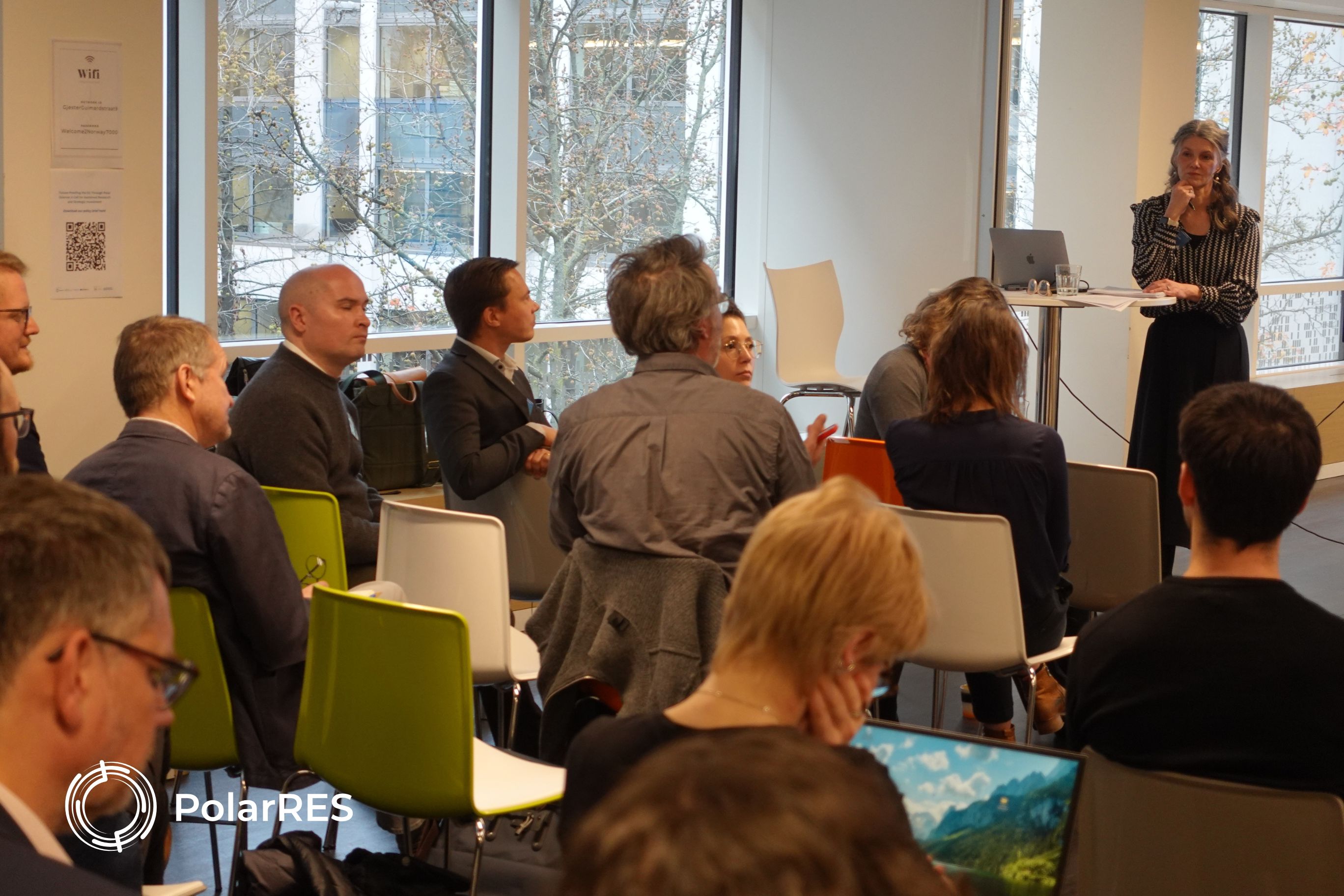
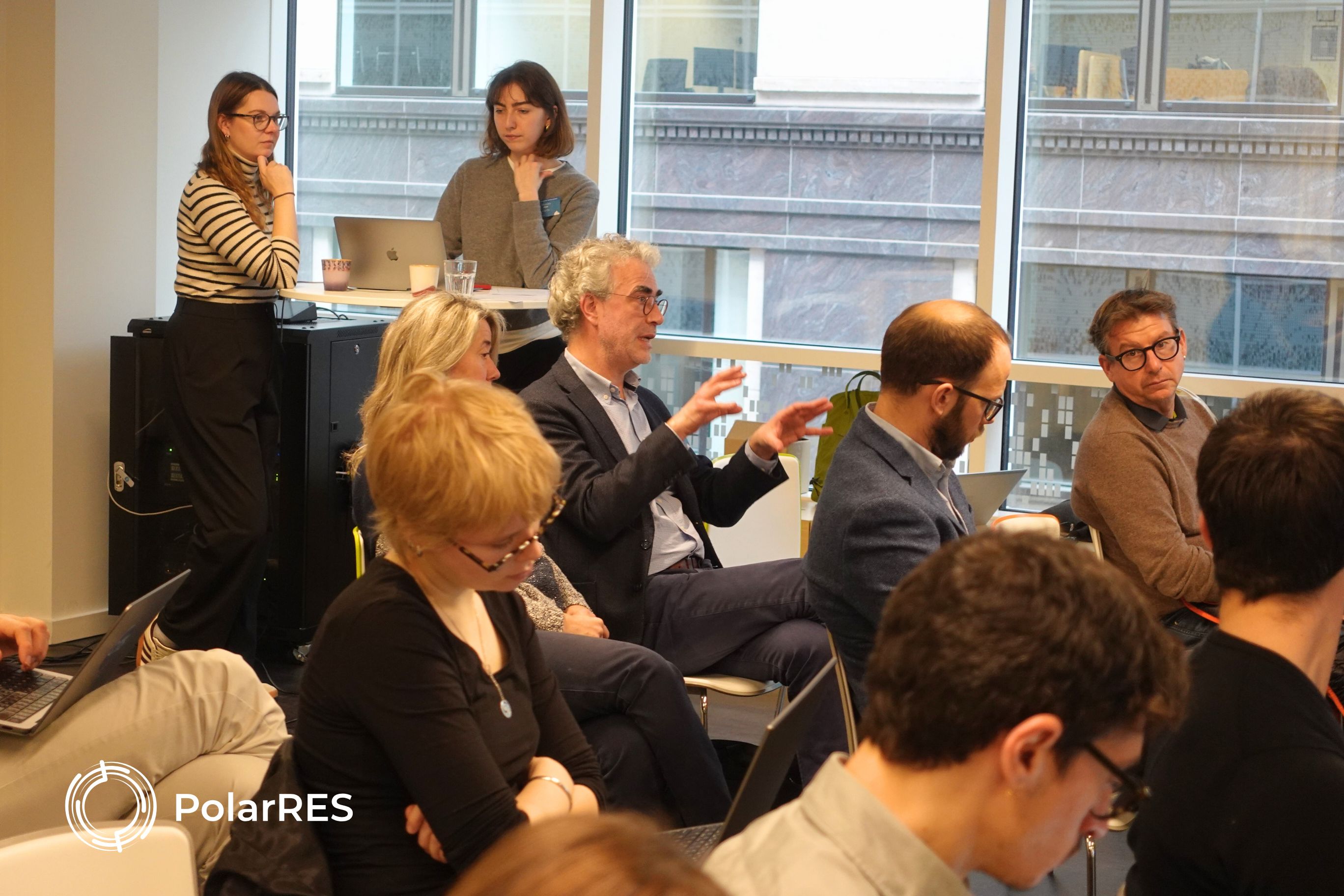
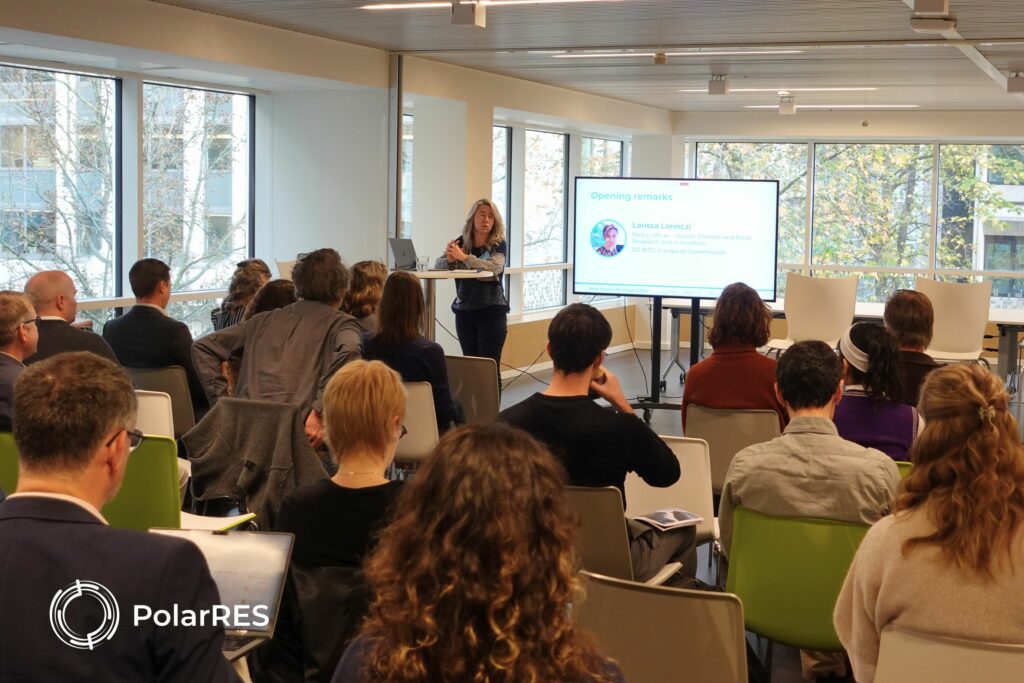
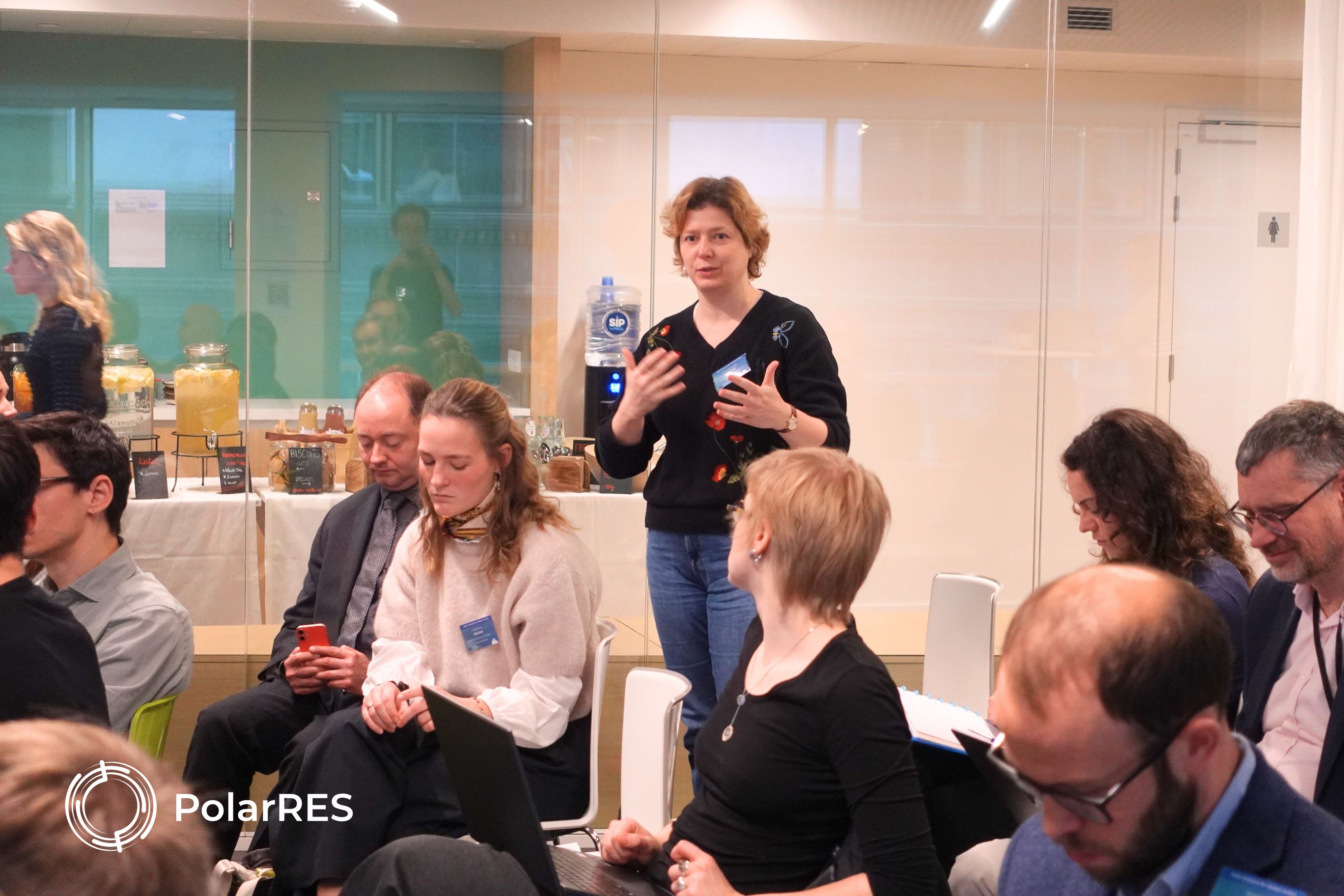
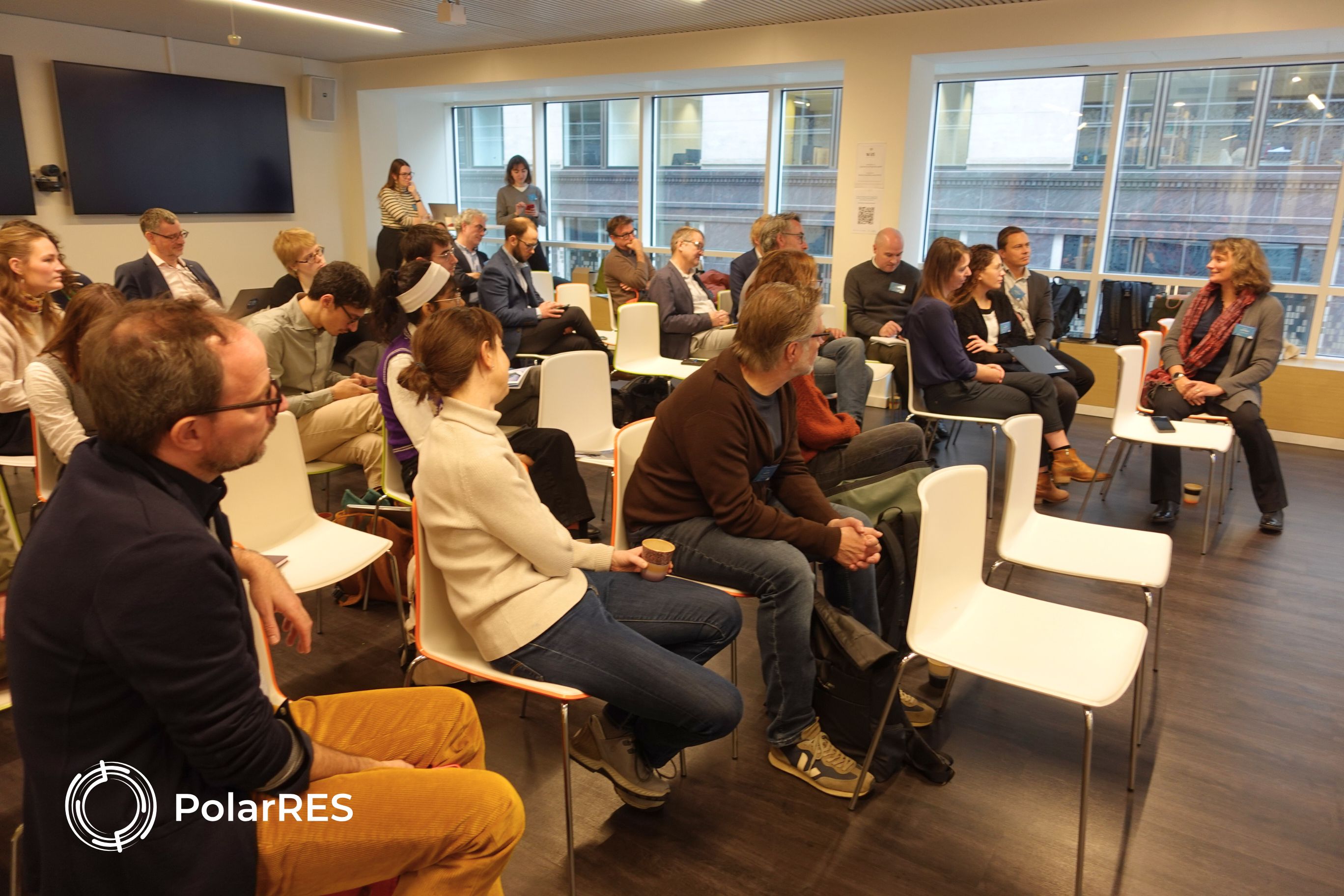
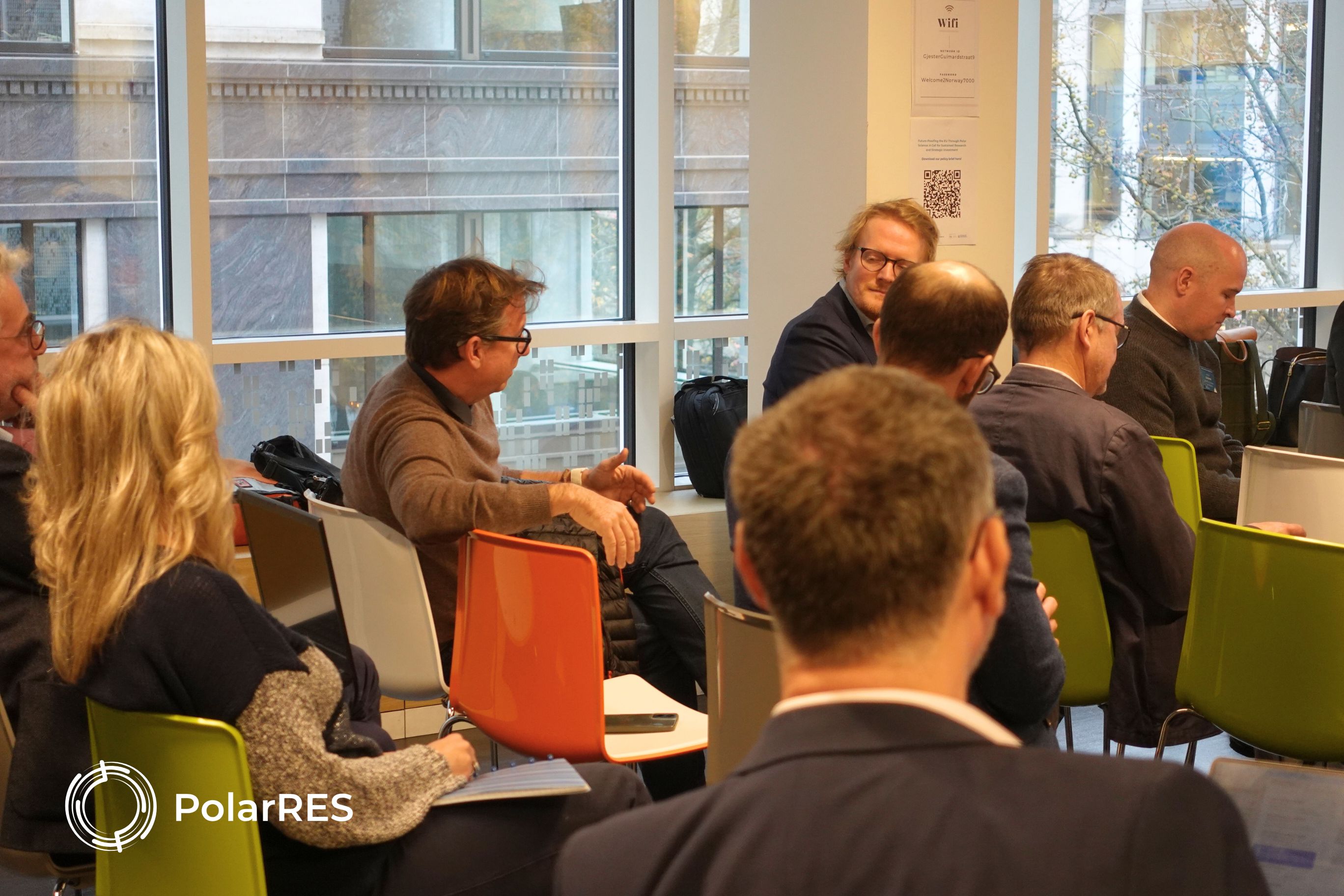
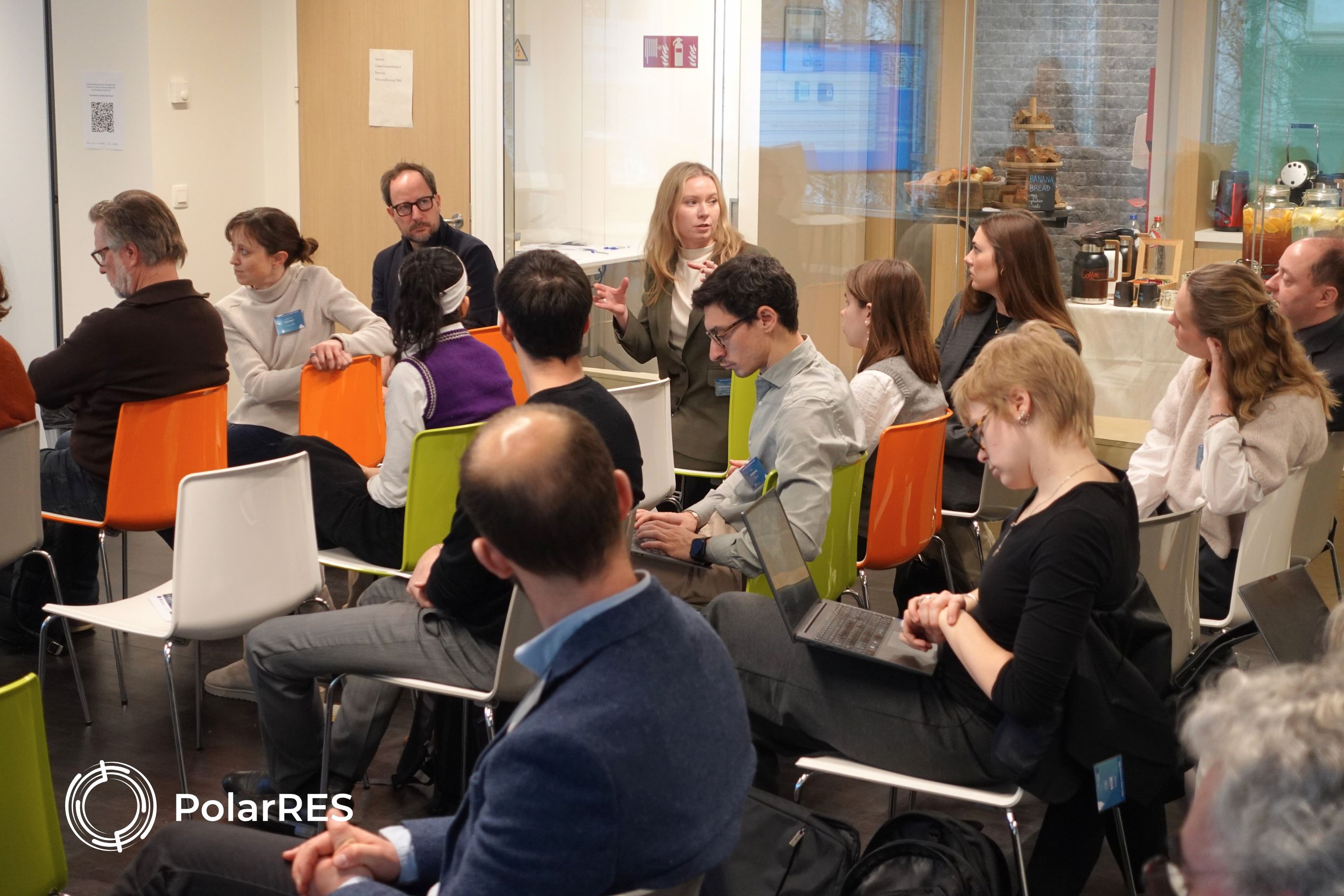
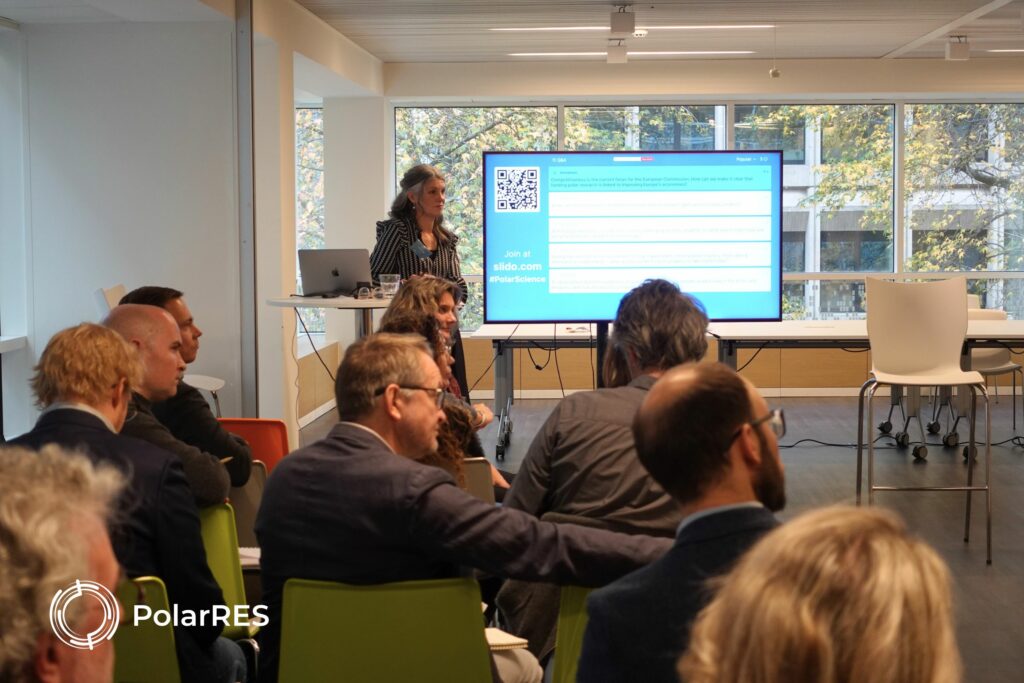
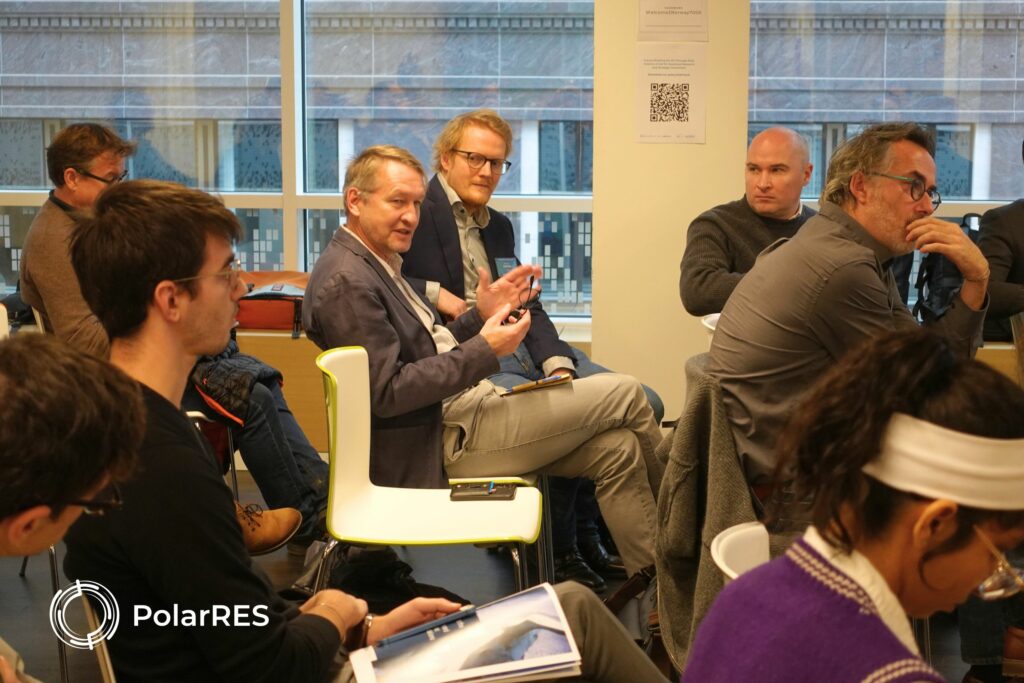
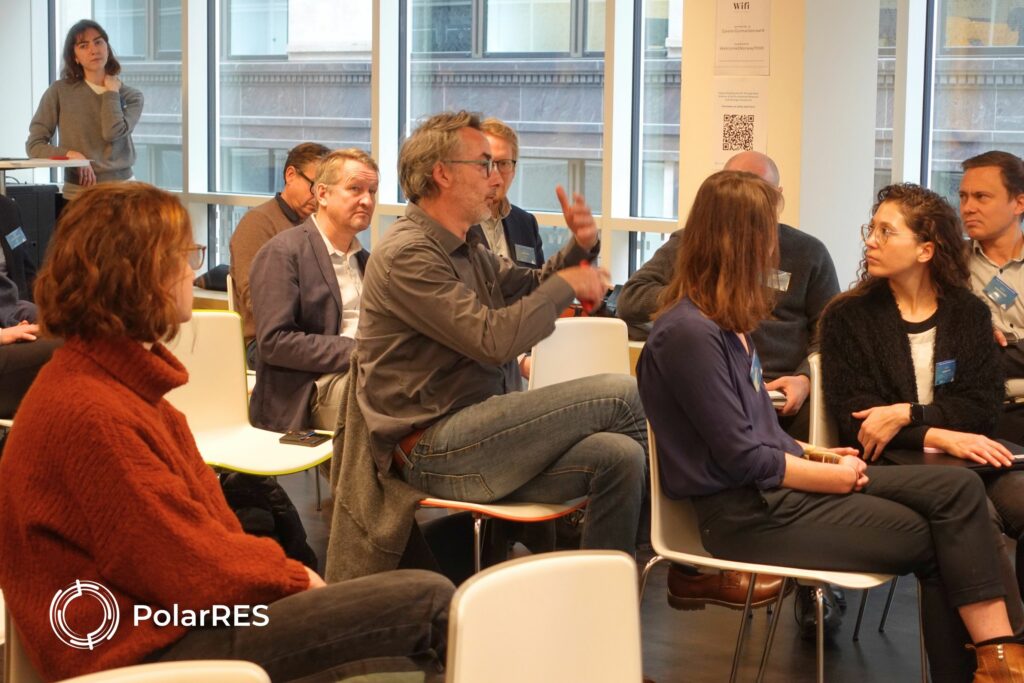
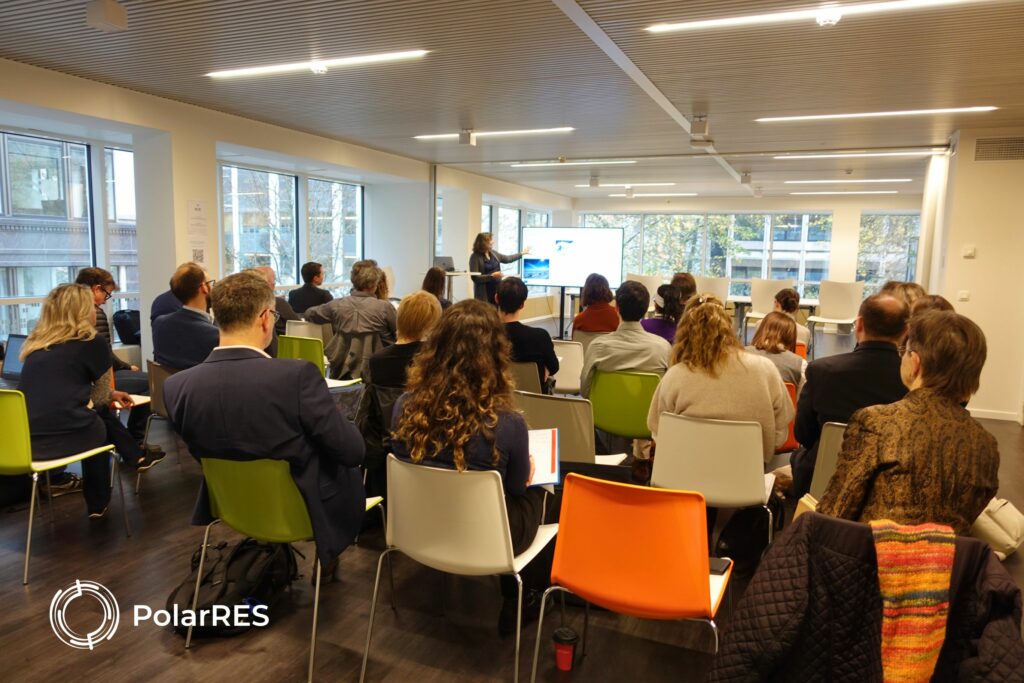
On 18 November 2025, research and policy stakeholders met at NORCE’s Brussels offices for Polar Science for Global Action: Strengthening Climate Preparedness. Organised by four flagship EU Horizon projects PolarRES, CRiceS, PROTECT and OCEAN ICE, the event highlighted the urgency of aligning science and policy as the Arctic and Antarctic undergo rapid and unprecedented transformation.
As Europe enters the decisive years leading up to the International Polar Year 2032-2033, the event offered a timely opportunity to reflect on how polar research can guide climate adaptation, promote resilience, and reinforce Europe’s international leadership in evidence-based climate action.
Moderator Dr. Nadine Johnston, Marine Ecologist at the British Antarctic Survey and member of PolarRES, opened the event by reminding the audience that warming in the Polar Regions is accelerating at rates far beyond global averages with consequences already being felt along European coastlines, across weather systems and within geopolitical spheres.
The first policy remarks came from Larisa Lorinczi, Policy Officer at DG RTD. She emphasised the need for strong interaction between research and policymakers, particularly as the EU prepares new strategic documents for the coming years.
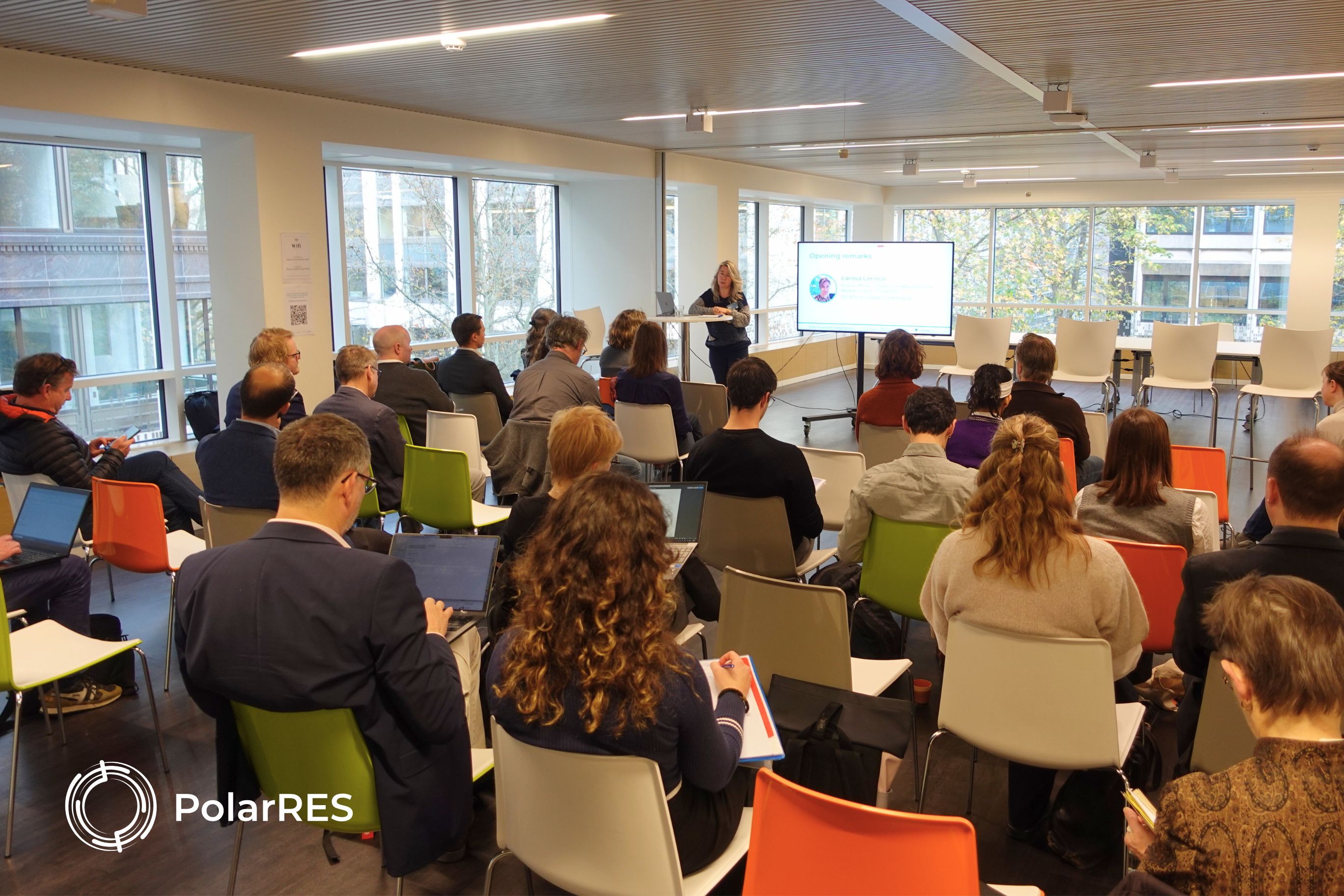
Ms Lorinczi highlighted the potential of the International Polar Year to act as a catalyst for joint activities and stronger institutional capacity.
Project insights
PolarRES
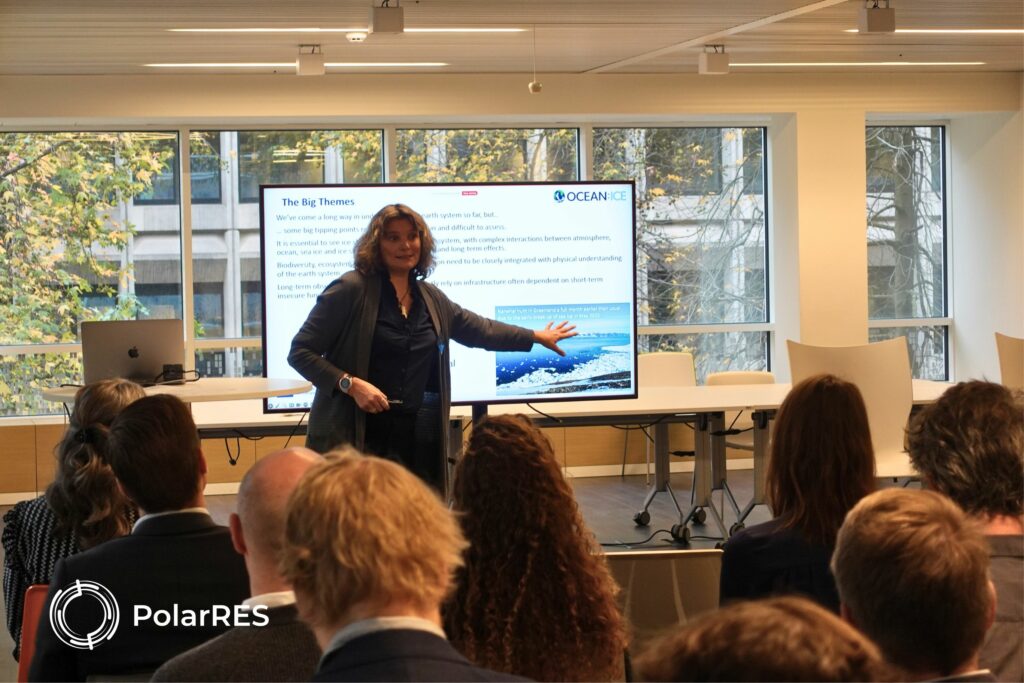
Dr Priscilla Mooney, Project Coordinator and Research Professor at NORCE, opened the scientific presentations by focusing on Arctic amplification. The Arctic is warming up to four times faster than the global mean, yet global climate models still struggle to capture this trend due to the complex interactions between various atmospheric, oceanic and cryospheric processes.
PolarRES has advanced understanding of these interactions and improved how they are represented in models, enabling high-resolution projections for both the Arctic and Antarctica. These projections support assessments of sea-ice loss, permafrost thaw and regional climate extremes. Dr Mooney also stressed that parts of northern Europe contain permafrost, making thaw-related risks directly relevant for European infrastructure.
She also remarked that the progress achieved by PolarRES depended on sustained scientific, international and science-policy collaboration.
PROTECT
Dr. Gael Durand presented PROTECT, which concluded in February 2025 and focused on reducing uncertainties in sea-level projections. He stressed that mitigation remains essential to limit long-term ice loss, while adaptation must begin now to address unavoidable impacts. Because sea-level rise varies significantly by region, coastal planning must be tailored to local conditions.
PROTECT has developed tools to support planning, including a sea-level projection tool and a coastal risk assessment platform, although both require stable institutional support to become fully operational. He also noted that substantial knowledge gaps persist, underscoring the need for ongoing research.
OCEAN ICE
Prof. Ruth Mottram, Coordinator of OCEAN ICE, focused on the Antarctic’s role in the global climate system. The Southern Ocean absorbs a disproportionately large share of global heat and carbon, yet remains poorly observed and under-represented in climate models.
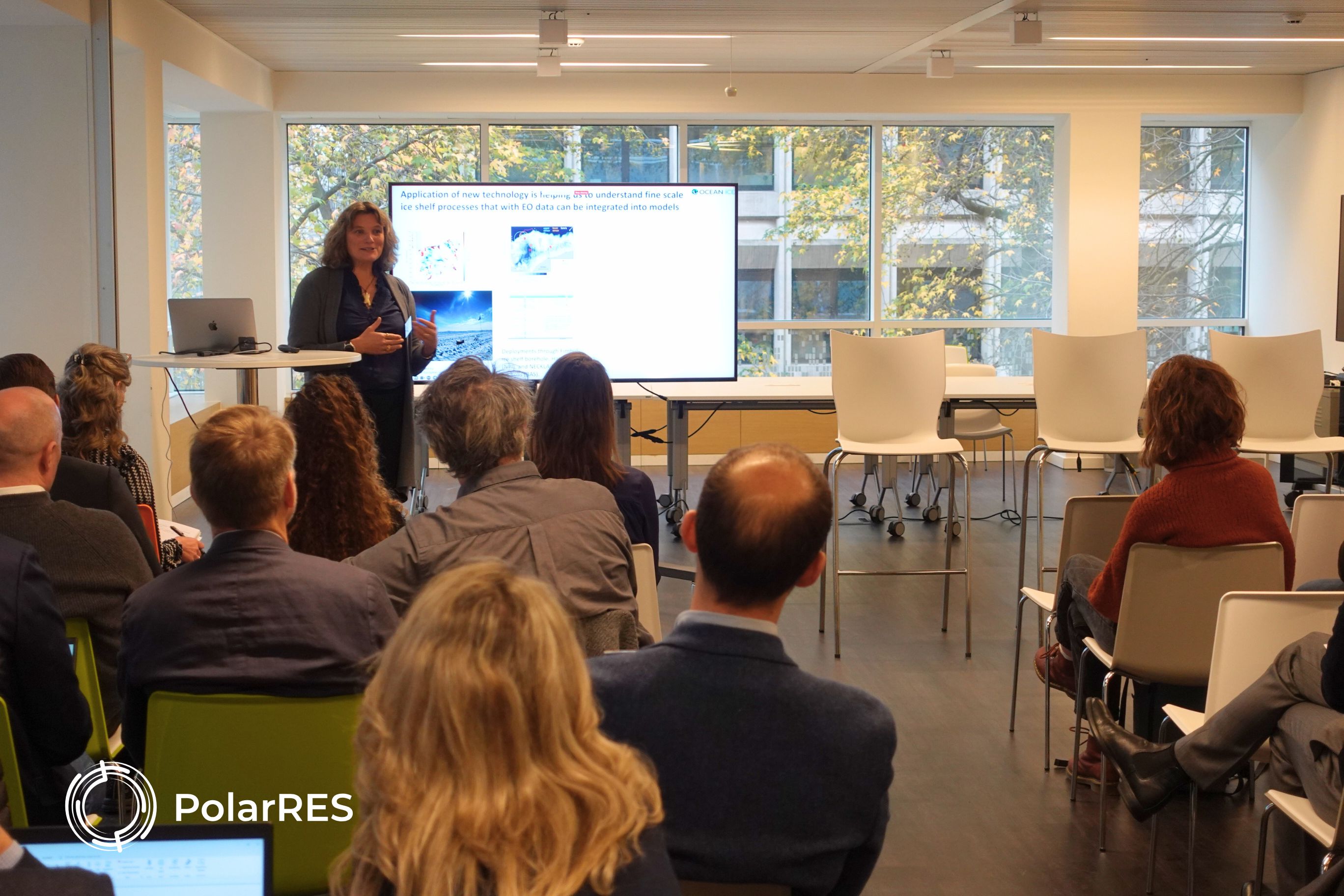
Dr. Mottram reminded the audience that fully coupled ice-sheet and climate models require long-term international collaboration and investment in research infrastructure.
CRiceS
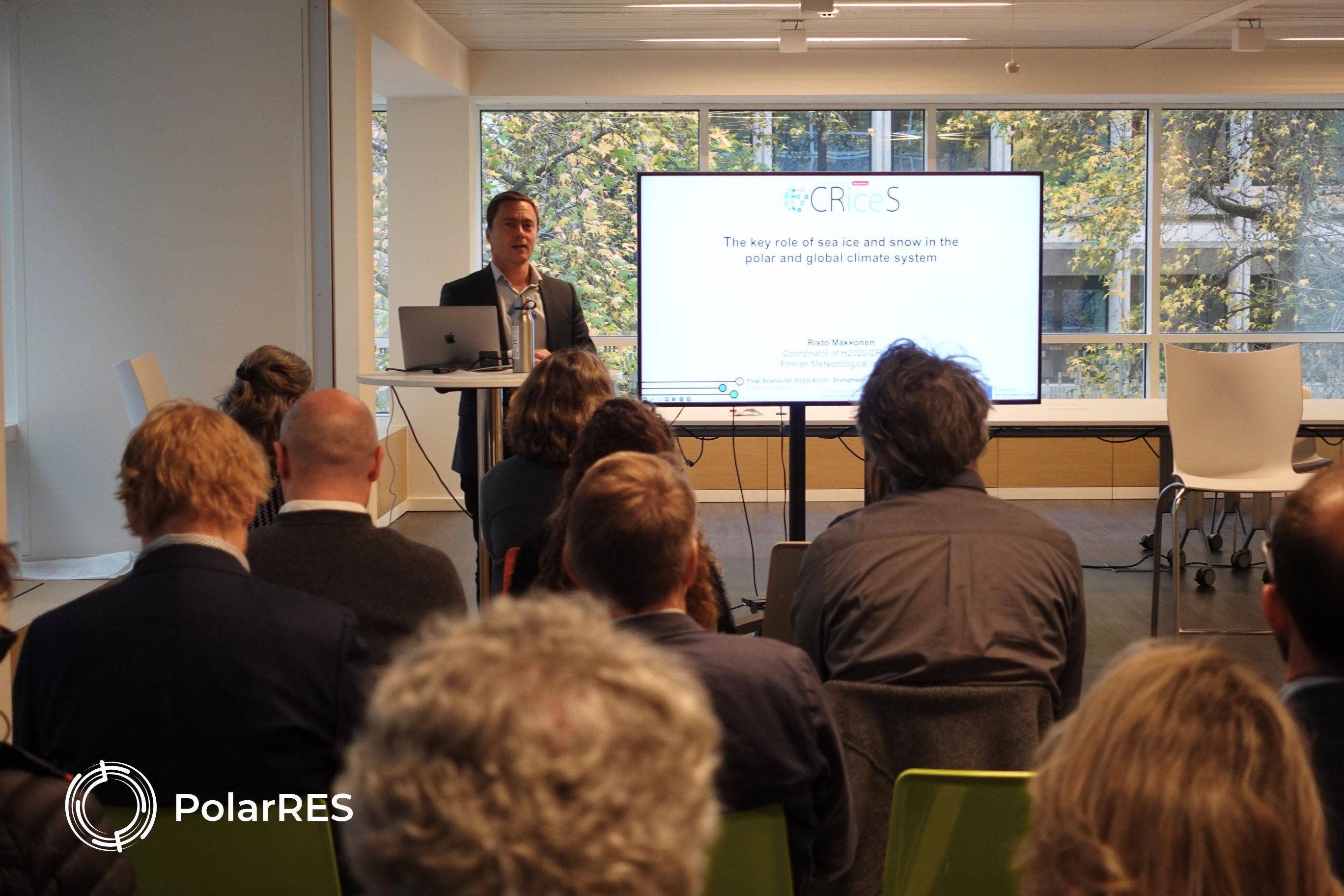
Dr. Risto Makkonen from the Finnish Meteorological Institute presented results from CRiceS, which show how shrinking sea ice alters ocean–atmosphere exchanges and triggers physical, chemical and biological feedbacks that shape cloud formation, atmospheric chemistry and even mid-latitude weather patterns. Dr. Makkonen emphasised that climate policy must draw on improved representation of these processes, and on engagement with Arctic communities to ensure research remains relevant.
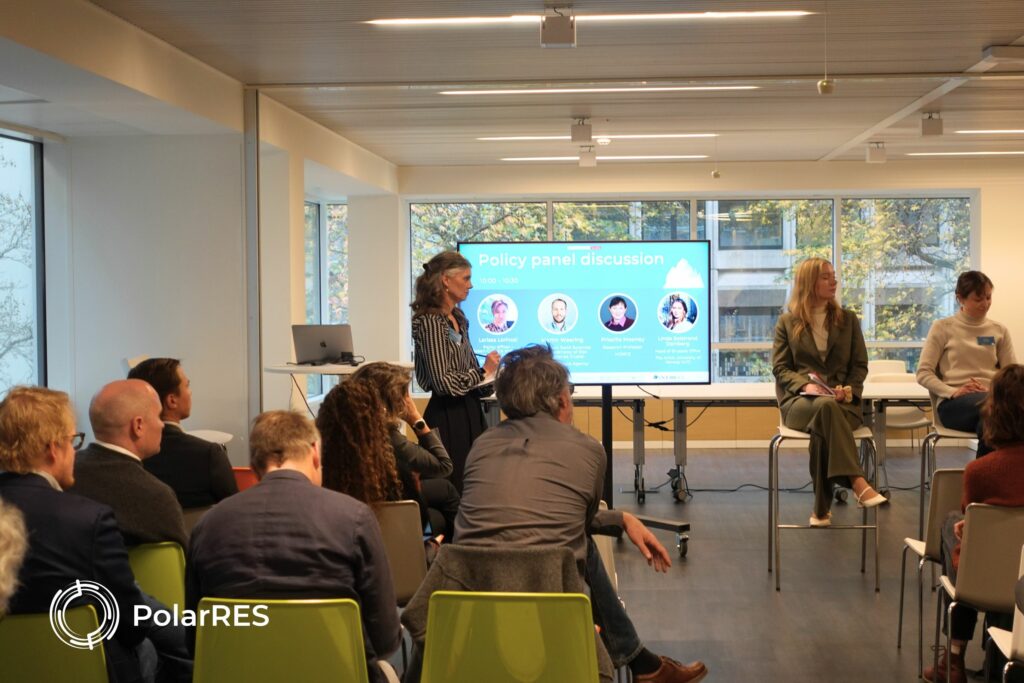
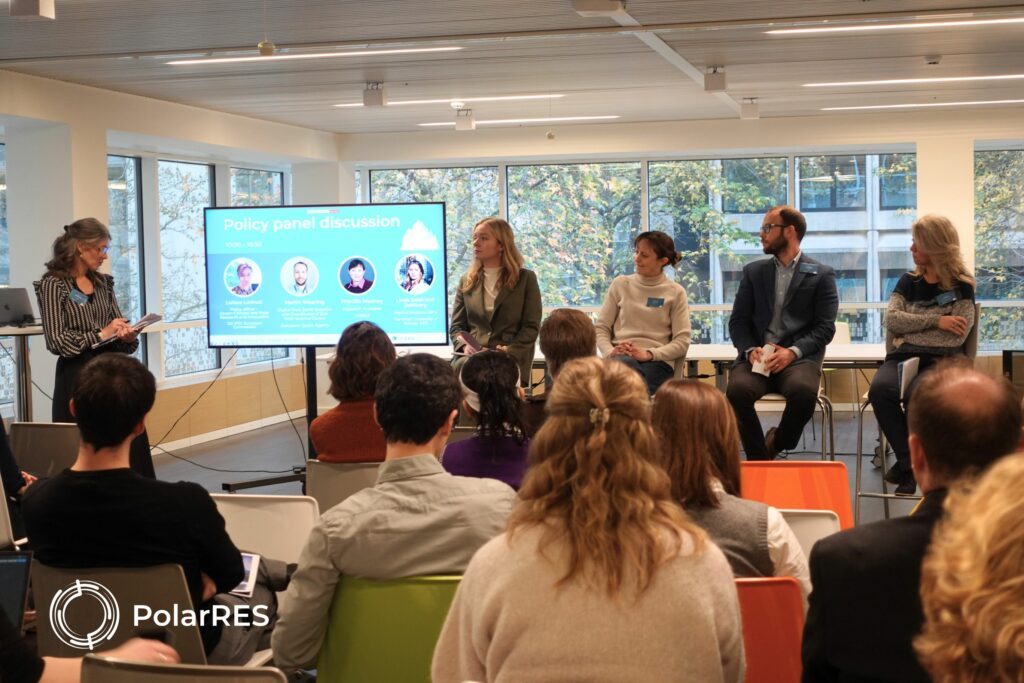
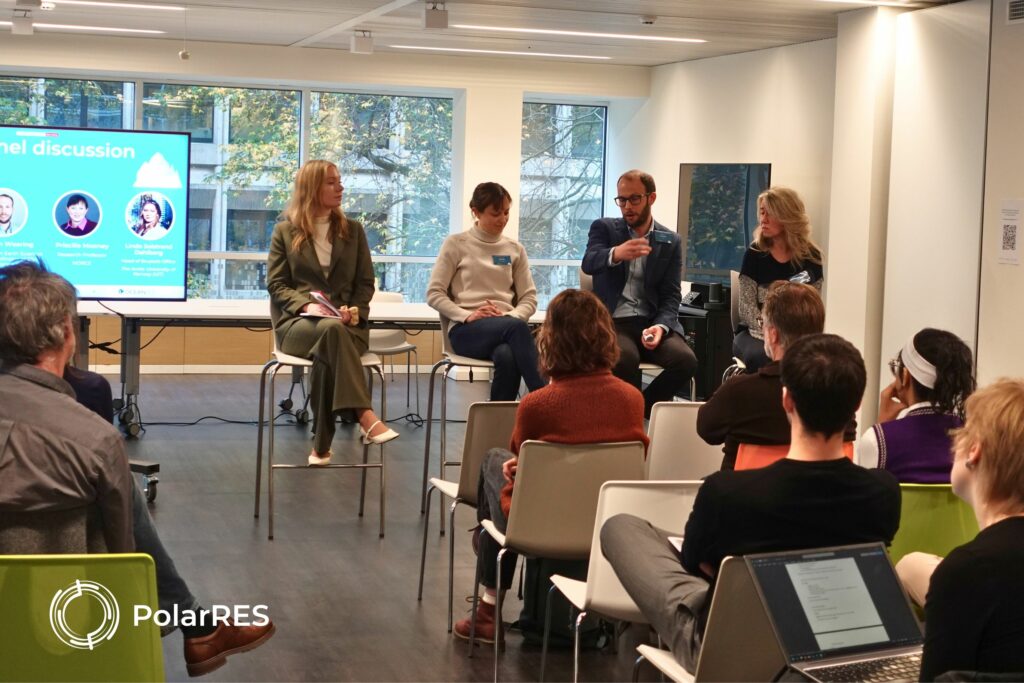
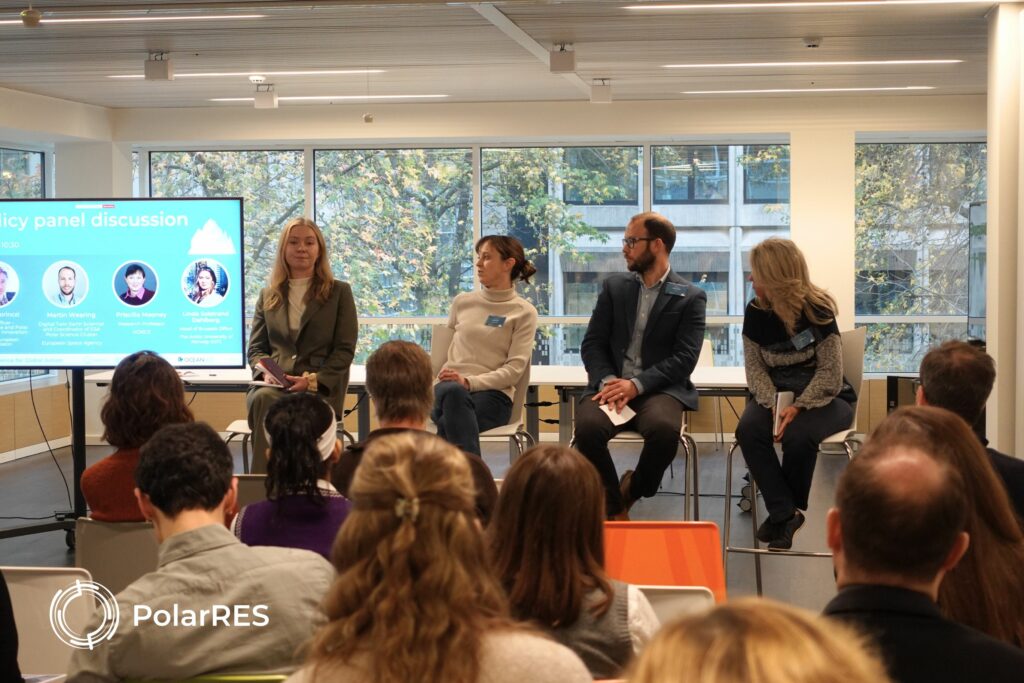
Policy panel discussion
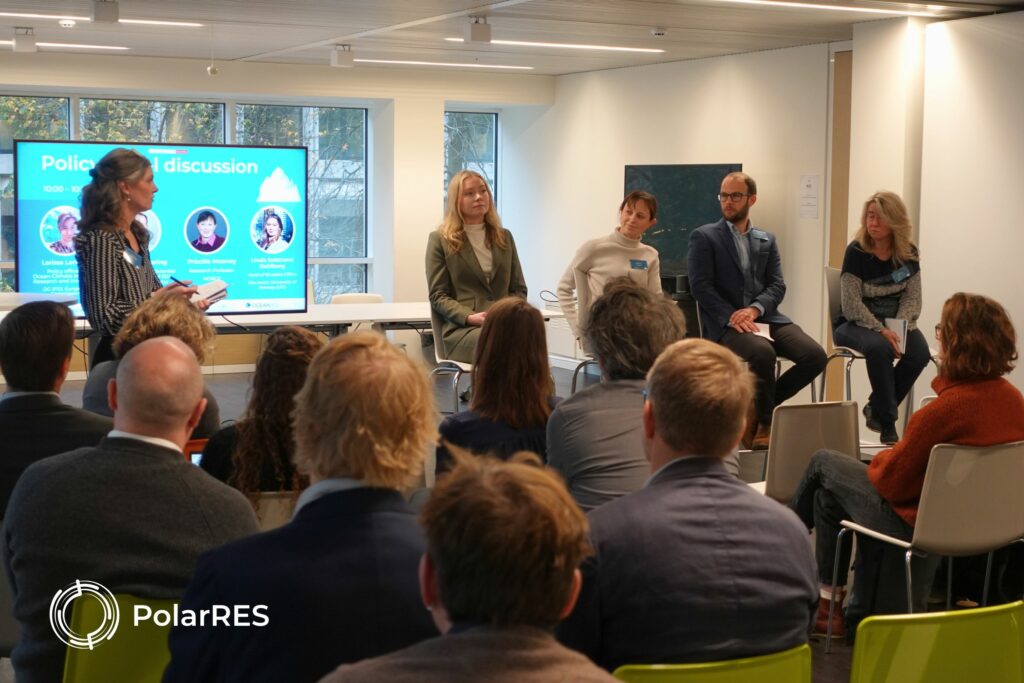
The policy panel featured Larisa Lorinczi (DG RTD, European Commission), Dr. Martin Wearing (European Space Agency), Dr. Priscilla Mooney (NORCE), and Dr. Linda Solstrand Dahlberg (Arctic University of Norway).
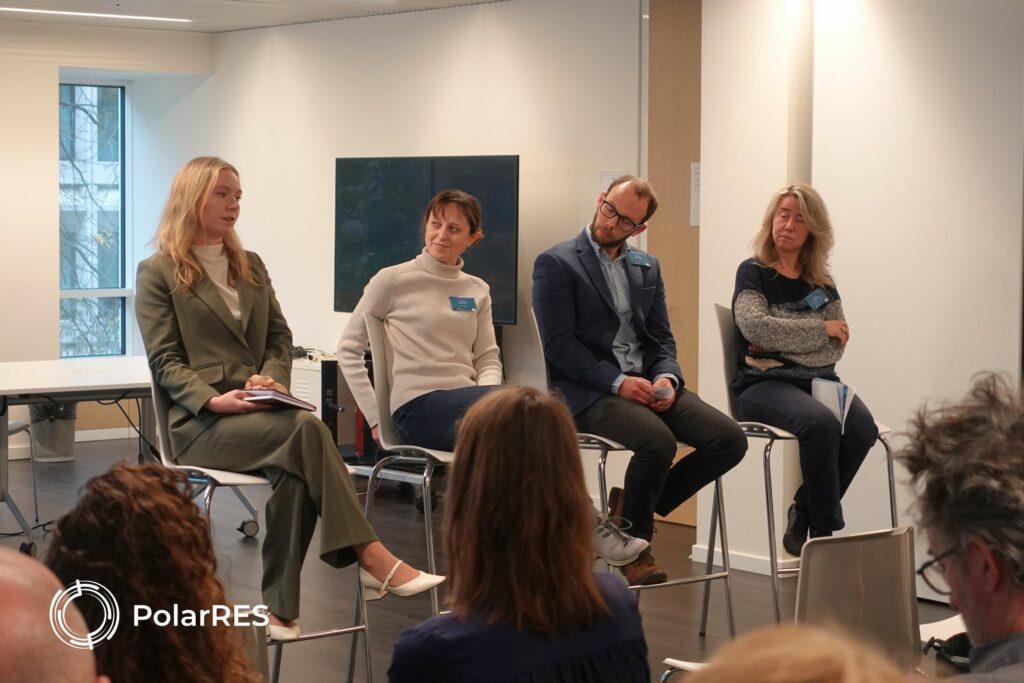
Dr Wearing explained that ESA’s satellite missions provide observational detail unattainable through in situ measurements alone, enabling scientists to generate alternative future scenarios for decision makers. However, he noted that progress ultimately depends on sustained funding and that polar change is not a remote scientific issue but a global problem.
Ms Lorinczi added that science remains a rare neutral arena where international cooperation can continue even when geopolitical tensions rise. The loss of collaboration with Russia has created significant data gaps, but she emphasised that the EU is stepping up its work on observing systems and shared research infrastructure.
Dr Dahlberg emphasised the unique position of the Arctic University of Norway and its long-standing collaborations across Europe. She highlighted the importance of Horizon Europe as a pillar of science diplomacy and but noted that EU polar research efforts remain fragmented. A more coordinated, country-agnostic approach is needed, she suggested, since restricting cooperation risks losing essential expertise.
A shared mandate for action
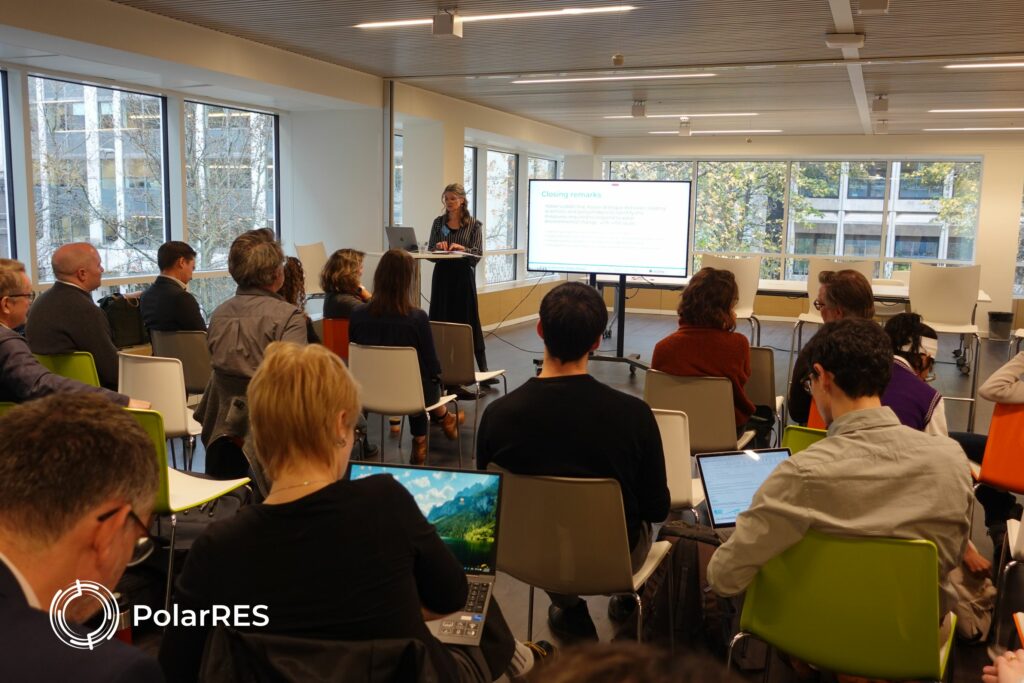
The event closed with a clear message for Europe:
- Polar research is critical to global climate resilience, and Europe must sustain investment in long-term observations, modelling and scientific cooperation.
- Climate risks linked to the Arctic and Antarctic must be integrated into EU decision making, from adaptation strategies to civil protection planning.
- Improved modelling and prediction are essential for anticipating change, and require coordinated investment in data, satellite systems, high-resolution models and new technologies.
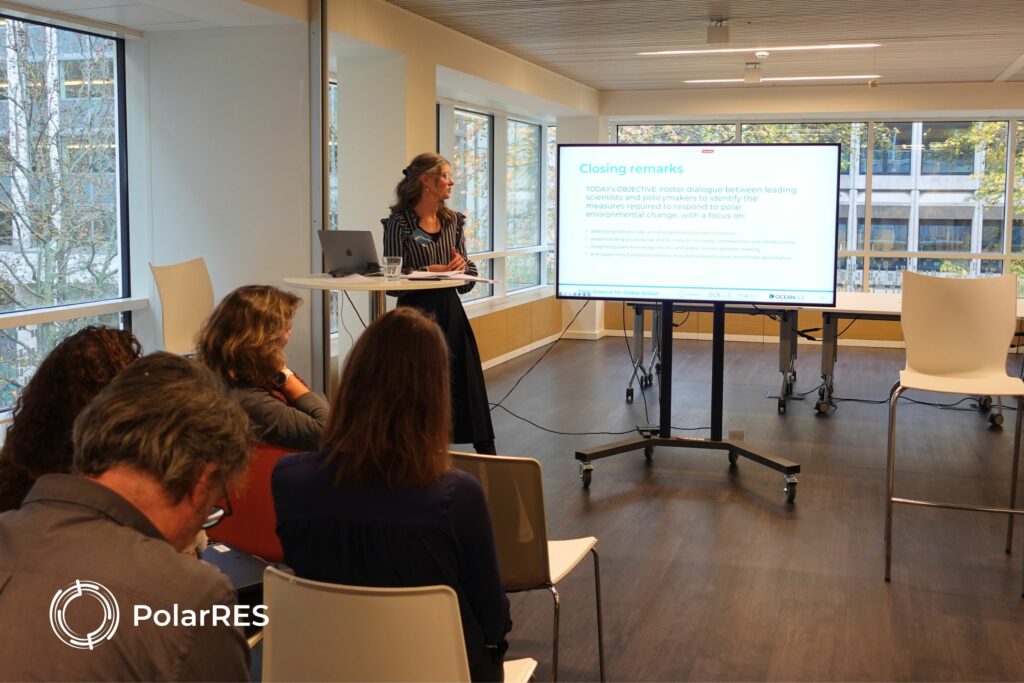
The EU’s ongoing leadership in polar science positions it to shape policy discussions ahead of the International Polar Year. By maintaining strong investment, expanding collaboration, and ensuring that scientific knowledge feeds directly into governance, Europe can remain at the forefront of evidence-based climate action.
Photo gallery: